This November, the Responsible Use of Medicines Alliance – Companion Animal and Equine (RUMA CA&E) will lead its second annual Animal Medicines Amnesty.
The initiative encourages pet owners to return unused or out-of-date medicines to veterinary practices for safe disposal. This helps prevent the risk of medicines resistance, which is an ongoing threat to both animal and human health.
What is the Animal Medicines Amnesty?
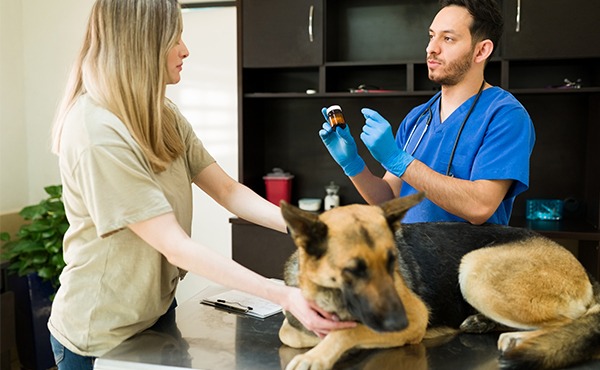
The Animal Medicines Amnesty calls on the veterinary community to collaborate to promote the safe disposal of unused and out-of-date veterinary medicines. Teams are asked to educate their clients on the importance of appropriate medicine use and disposal, and to encourage them to bring excess medicine back to their practice.
The initiative was formerly known as the ‘Antibiotic Amnesty’, until it was renamed last year.
The name change reflects a broadened perspective for the initiative. Rather than focusing on antimicrobial medicines only, RUMA CA&E now encourages pet owners to return all unused or outdated pet medicines to their practice.
Why is it important?
All medicines, and especially antibiotics and parasiticides, play an important role in protecting against potentially fatal disease. However, to preserve efficacy, they are only prescribed rationally and when needed.
If leftover or expired antibiotics are used, pet owners risk adverse effects on their pet and the delayed diagnosis of health conditions. Excessive use also increases the risk of AMR.
Meanwhile, any improper disposal of medicines can lead to AMR in the natural environment.
If these medicines are flushed down the drain, the chemicals can leak into rivers and other natural bodies of water. This not only harms wildlife through environmental pollution, but can also cause dangerous bacteria to develop an immunity to the drug.
This makes antimicrobial resistance a One Health issue, affecting animals, humans and the natural environment. If these medicines lose their efficacy, it will become more difficult for medical professionals to treat diseases.
How can my practice get involved with the initiative?
Before November:
- Speak with your in-practice team about your involvement in the initiative.
- Order a spare pharmaceuticals bin, or similar
- Display posters and leaflets in your practice. RUMA CA&E has prepared a resource pack which practices can use for free.
- Include details in your practice newsletter and on social media – use the hashtag #AnimalMedicinesAmnesty
During November:
- Store the pharmaceutical bin in a secure location and label it with ‘Animal Medicines Amnesty’
- Communicate with clients about the importance of proper medicine disposal
- Add stickers to packets of tablets and prescription bags
- Modify vaccination reminders to include mention of the initiative
After November:
- Record the number/volume of animal medicines returned to your practice
- Report the amount of returned antibiotics to RUMA CA&E. It will release more details in due course.